Feral Hog Hunting in Georgia: Rules, Nights and Gear
Feral hogs are the one animal in Georgia that almost nobody defends. They root up food plots, wreck stream banks, eat fawns and turkey nests, and they breed faster than anything can catch up with. The state treats them accordingly: on private land there is no season and no limit. This guide sets out what is legal, where the rules tighten up, and what gear actually works. It is general information, not legal advice, and it is current as of September 2026.
Private land: no season, no limit
With the landowner's permission, feral hogs may be hunted year round on private property in Georgia, day or night, with no bag limit. That is the core rule and it is what makes Georgia hog hunting what it is. Hunting over bait is allowed on private land. Hunting from a moving vehicle is not.
Night hunting
Hogs may be taken at night on private land. The DNR's rule on lights is specific: a light used for night hunting must be carried by the hunter, fixed to a helmet or hat worn by the hunter, or be part of a belt system. There is no voltage limit. Night vision and thermal optics are widely used on Georgia hog ground, and the practical constraint is knowing what is behind the pig before the trigger breaks, not the optic itself.
On Wildlife Management Areas and national forest land, night hunting for hogs is not allowed. That line is worth remembering because it trips up hunters who have only ever run thermal on a lease.
Licences
Georgia residents 16 and older need a hunting licence to take hogs, with one exception: you do not need one on land owned by you or by an immediate family member living in the same household. Non-residents need a non-resident hunting licence. On WMAs and public fishing areas, anyone 16 or older needs a hunting licence, a fishing licence or a Lands Pass just to be on the property.
WMA and national forest rules
Public land is a different animal. On a WMA you may take hogs during any small game or big game season, using the weapons that are legal for that season. So during archery deer season you use archery tackle; during firearms deer season you may use a deer rifle; during turkey season you use turkey weapons. Hunter orange is required during firearms and primitive weapons deer seasons. Baiting is prohibited and so is night hunting. Electronic calls are allowed.
There is also a dedicated feral hog and coyote season on WMAs from May 16 to 31 unless a specific area says otherwise, when any firearm legal for big or small game may be used, except on archery-only areas. That two-week window is the one time of year public-land hog hunters get to bring a centrefire rifle to ground with no deer season around it.
On national forest land outside a WMA, hogs may be taken during archery deer season with archery equipment, during firearms deer season with deer weapons, during turkey season with turkey weapons and during small game season with small game weapons. Night hunting and baiting are prohibited there too.
Suppressors
Lawfully possessed suppressors may be used for hunting in Georgia unless a specific rule says otherwise, which makes hogs the obvious use case. A suppressor on private ground at night keeps the sounder from scattering at the first shot and takes the edge off a short-barrelled carbine. The federal paperwork has to be in order and in your possession, and landowner permission still applies. Range rules are stricter: DNR ranges allow suppressed firearms only when you can produce the federal registration documents.
Calibres and loads
Hogs are tough and low-slung, and the vitals sit further forward than a deer's. Pick the cartridge for penetration rather than energy on paper:
- .223 / 5.56: works at close range with a heavy bonded or monolithic bullet. Avoid thin varmint bullets on big boars.
- .300 Blackout: the classic suppressed hog round, subsonic for quiet work or supersonic for reach out to about 150 yards.
- 6.5 Creedmoor, .308, .30-06: nothing more is needed for any hog in Georgia, and these double as deer rifles.
- .350 Legend, .450 Bushmaster: heavy, short-range thumpers for thick river bottom.
- Buckshot: very effective inside 30 yards in a swamp, and legal wherever a 20 gauge or larger shotgun is legal for the season you are hunting.
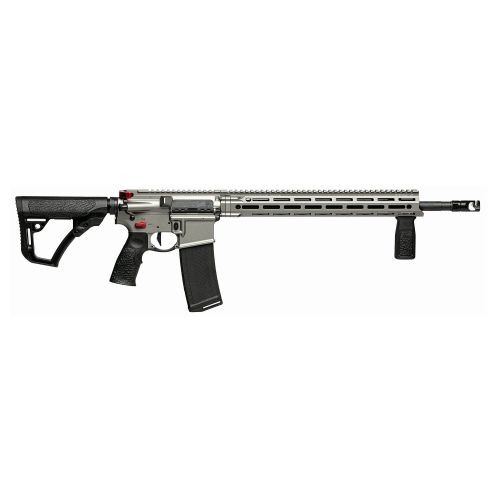
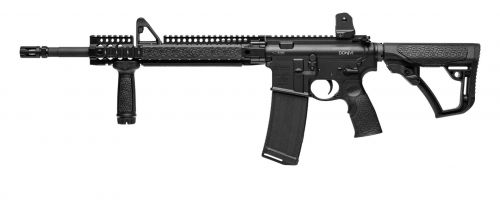
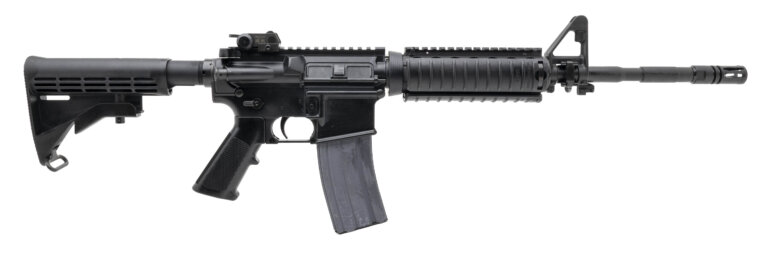
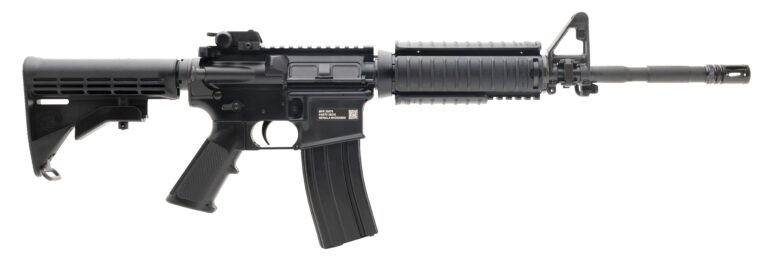
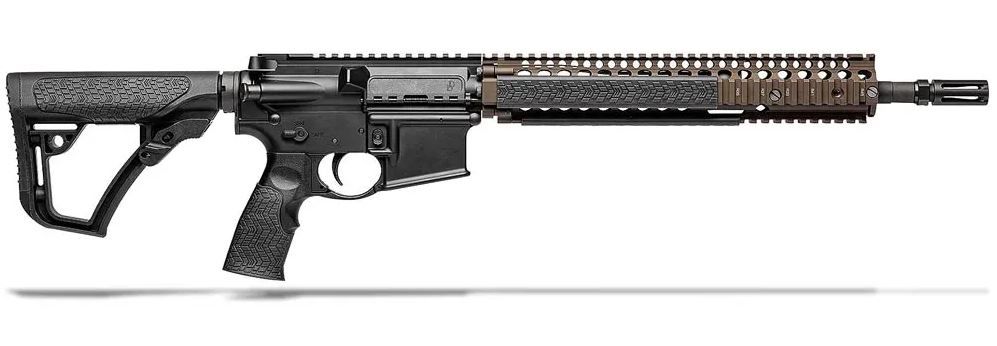
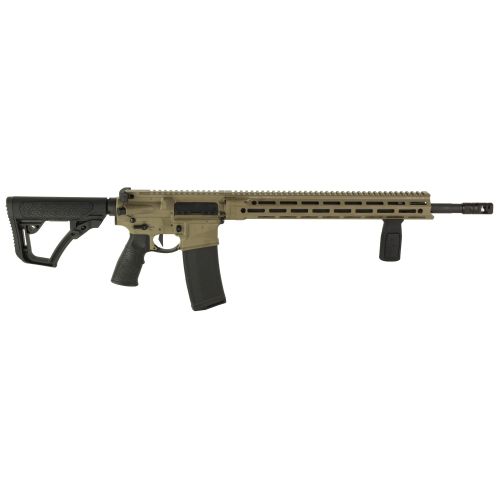
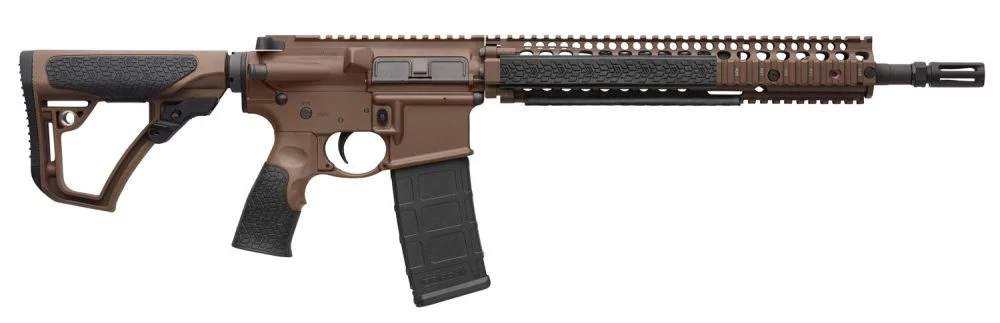
Shot placement beats calibre. Aim tight behind the ear on a broadside shot, or into the shoulder crease a third of the way up the body. Browse rifles, optics and ammunition in our online shop; long guns transfer through the Georgia FFL you pick.
Where the hogs are
The Flint and Chickasawhatchee swamps around Albany, the Ocmulgee and Oconee bottoms through middle Georgia, the Altamaha delta above Brunswick, the Okefenokee rim near Waycross, and the Ogeechee swamp east of Statesboro all hold established populations. Rooting, wallows and rubbed trees on a creek bank tell you more than any map. Hogs move on wind and water, and they will abandon a field for weeks after pressure.
Trapping and moving live hogs
Corral traps and box traps take far more hogs than rifles do, and whole-sounder trapping is the only method that actually reduces a population. Moving live feral swine is a regulated activity in Georgia because of disease risk, and the rules sit with the Department of Agriculture rather than the DNR. Check the current rules before you move a live hog anywhere, including to a processor.
Handling the meat
Feral swine can carry brucellosis and other diseases that pass to people through cuts. Wear nitrile or rubber gloves while field dressing, keep the carcass cool, wash tools and hands afterwards, and cook the meat thoroughly. Younger hogs under about 120 pounds are far better eating than a mature boar.
Safety at night
Night hog hunting puts loaded rifles in dark fields with livestock, roads and houses nearby. Walk the property in daylight first, mark the shooting lanes, know where every house and road sits, and never take a shot toward a ridge line you cannot see past. Tell someone where you will be and when you expect to be back.
For the seasons and legal weapons that apply when you are on deer ground, see our Georgia deer season guide, and for carry and transport rules on the way there, read our Georgia gun law overview. Gear is in our gun shop. This page is general information, not legal advice, and reflects the rules as of September 2026; confirm current details in the Georgia hunting regulations before you hunt.
General information, not legal advice. Current as of September 2026. Laws change; check the official source before you act.