Home Defense in Georgia: The Law and Sensible Gear
Most people who buy a gun for the house never read the statutes that would decide whether they were right to use it. Georgia's are short and they are worth ten minutes of your time. This guide covers the self-defence and habitation statutes, what stand your ground actually means here, and how to think about the gun, the light and the storage. It is general information, not legal advice, and it is current as of September 2026. If you ever use force, get a Georgia lawyer before you say anything else.
The statutes that matter
- O.C.G.A. 16-3-21 covers the use of force in defence of yourself or another person. Deadly force is justified only when you reasonably believe it is necessary to prevent death or great bodily injury to yourself or a third person, or to prevent the commission of a forcible felony.
- O.C.G.A. 16-3-23 covers defence of a habitation, which includes a dwelling, a motor vehicle and a place of business. It sets out the circumstances in which deadly force against an intruder is justified, including a violent and tumultuous entry made in a way that suggests an assault on someone inside.
- O.C.G.A. 16-3-24 covers defence of property other than a habitation, and the bar for deadly force is higher.
- O.C.G.A. 16-3-23.1 is Georgia's no-duty-to-retreat provision. A person acting lawfully under any of the sections above "has no duty to retreat and has the right to stand his or her ground and use force as provided in said Code sections, including deadly force."
What stand your ground does and does not do
It removes one element from the analysis: you do not have to prove you tried to leave first. It does not lower the standard for using deadly force in the first place. You still need a reasonable belief that deadly force was necessary to stop death, great bodily injury or a forcible felony. A threat to property alone does not meet that bar. Neither does an argument, a trespass you can walk away from, or a person leaving with your things.
The word doing most of the work is reasonable. A jury asks what a reasonable person would have believed with the information you had at that moment, in the dark, in your own hallway. That is why the practical advice in the next section is not just tactical fluff.
Practical decisions before anything happens
- Have a plan that does not involve clearing the house. Moving through your own home to find an intruder is the highest-risk thing an untrained person can do. Gathering the family into one room, calling 911, and covering the door is safer and far easier to explain afterwards.
- Know what is behind every wall. Interior walls stop almost nothing. Think through where a miss goes before you ever need to know.
- Identify before you decide. A weapon-mounted light is not a substitute for a handheld light. Most people who get shot at home by a family member were identified too late.
- Stay on the phone. A recorded call showing you asked for police and warned an intruder is worth a great deal.
Choosing the gun
There is no single right answer, but the trade-offs are well understood:
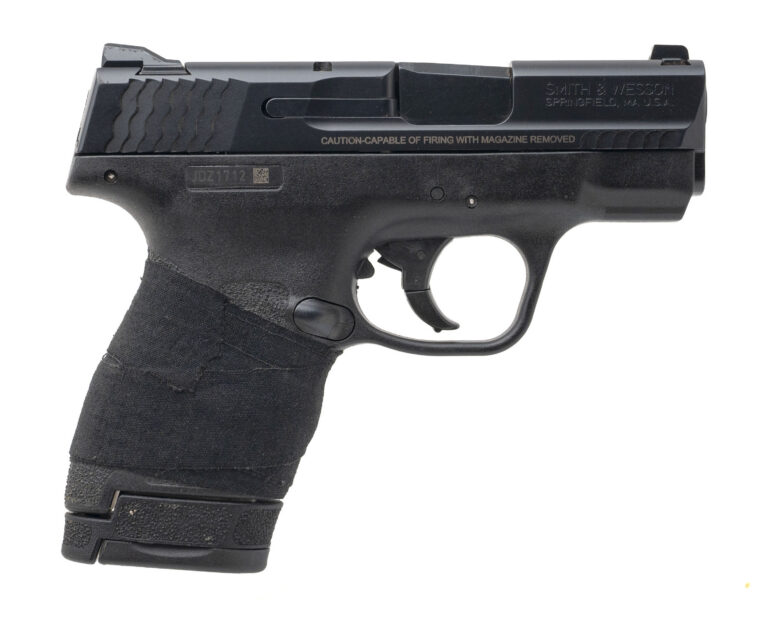
- Handgun. Easiest to keep secured, easiest to hold while you dial a phone or open a door. Hardest to shoot well under stress. A 9mm with a reliable magazine and a light is the common choice.
- Shotgun. Devastating inside a house and forgiving of imperfect aim at short range, but slow to reload and heavy on recoil for smaller shooters. Buckshot patterns much tighter at household distances than folklore suggests, so you still have to aim.
- Carbine. Easiest of the three to shoot accurately, low recoil, and defensive .223 loads can penetrate less drywall than pistol rounds. Longer and louder indoors, and the noise without hearing protection is genuinely disorienting.
Whatever you pick, buy a light for it, buy enough ammunition to practise with, and run the exact defensive load through it enough times to know it feeds. Browse handguns, shotguns and carbines in our online shop; all long guns and handguns transfer through the Georgia FFL you choose, with Form 4473 and a NICS check at that counter.
Storage, children and the law
Georgia does not impose a general storage mandate on adults, but O.C.G.A. 16-11-132 makes it an offence for a person under 18 to possess a handgun outside the listed exceptions, and there are separate offences for furnishing firearms to minors. The practical rule in a house with children is simple: every gun is either on your body or locked. A quick-access safe bolted to the bed frame costs less than a weekend away and solves the problem.
Where the gun can go with you
Since April 2022 a lawful weapons carrier may carry a handgun in Georgia without a licence, in a vehicle or on foot. That does not extend to courthouses, jails, secure government buildings, polling places during voting or nuclear facilities, and private property owners may still forbid firearms. Our Georgia gun law overview sets out the restricted places, and our weapons carry licence guide explains why a licence is still worth holding for travel.
Training beats gear
A weekend defensive pistol class will change your outcomes more than any upgrade you can bolt on. Failing that, dry practice at home with an unloaded gun and a verified empty chamber does more for a draw and a trigger press than another box of ammunition on a static range. Georgia's public ranges on WMA land are cheap, close and open most of the week; access needs a hunting licence, a fishing licence or a Lands Pass, and range rules require a pause of at least a second between shots, which quietly enforces good habits.
Afterwards
If you ever fire in defence: call 911, report your location, describe yourself so responding officers can identify you, secure the firearm, and say as little as possible beyond asking for medical help and a lawyer. Georgia's immunity provisions exist, but they are argued by lawyers on the record you create in the first hour.
Gear, lights, safes and ammunition are in our gun shop, and if you also hunt, our deer season guide and hog hunting guide cover the season rules. This page is general information, not legal advice, and reflects Georgia law as of September 2026.
General information, not legal advice. Current as of September 2026. Laws change; check the official source before you act.